
What Is Water Polo? Rules, Positions, and How It Is Played
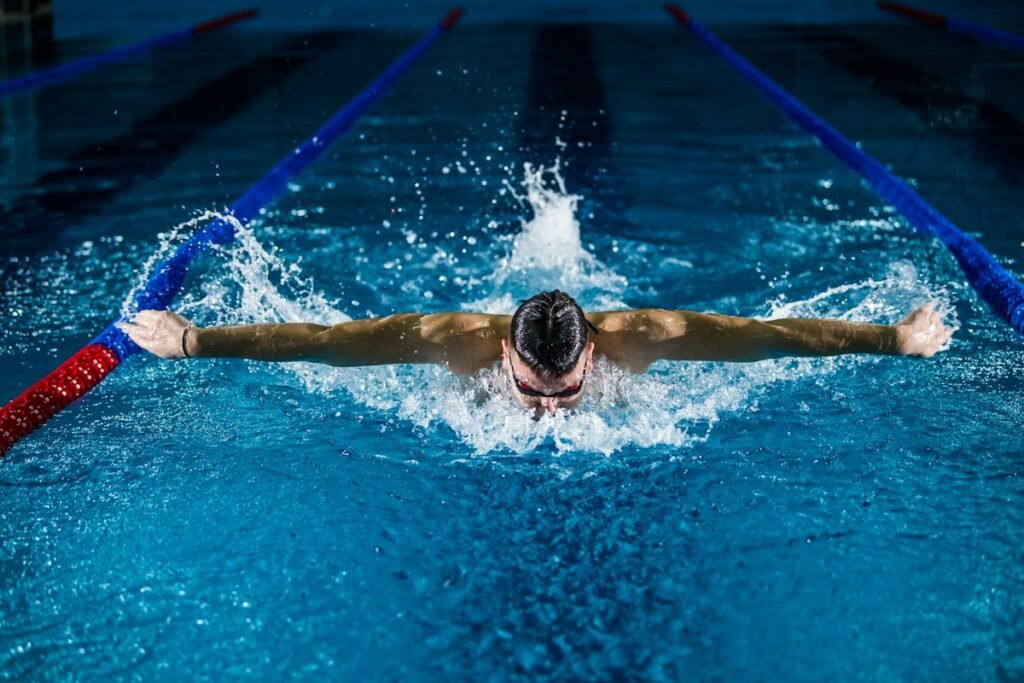
Water polo is a fast, physical team sport played in a swimming pool, and anyone watching it for the first time usually asks what is water polo and how a game that looks so chaotic actually works. Two teams of seven players each, including a goalkeeper, try to score goals by throwing a ball into the opposing team’s net, much like football or handball, but with one major difference: the players are in the water the whole time, treading water and swimming, and they are not allowed to touch the bottom of the pool. The result is a demanding sport that combines swimming, ball skills, tactics, and teamwork, and it has been part of the Olympic Games for more than a century.
This guide explains the basic rules of water polo, the positions on the team, how a match is structured, and what skills players need. It is written for readers who are new to the sport and want to understand what they are watching, whether that is at the Olympics, at a local club match, or on television.

The Basics of the Game: What Is Water Polo
Water polo is played in a pool that is usually about thirty metres long and twenty metres wide for men’s matches, with slightly smaller dimensions for women’s matches. Each team has seven players in the water at any one time: six outfield players and one goalkeeper. Teams also have substitutes who can enter the game during play, usually when their team has possession of the ball or during a break in play. The aim is simple: to score more goals than the opposing team by throwing the ball into their goal, which floats on the water at each end of the pool.
How a Match Is Structured: What Is Water Polo
A water polo match is divided into four quarters, each lasting eight minutes of playing time, although the clock stops when the ball is out of play, so a match usually takes much longer than thirty-two minutes in total. Between quarters there are short breaks, and there is a longer break at half time. If the scores are level at the end of the match in a competition that needs a winner, extra time or a penalty shootout may be used to decide the result.
Each team has a limited time to attack, usually thirty seconds, which is shown on a shot clock. If a team does not shoot within that time, possession passes to the other team. This rule keeps the game moving quickly and prevents teams from holding on to the ball for too long. At the start of each quarter, the teams line up at their own ends of the pool, and the referee throws the ball into the middle. The players then sprint towards the ball to gain possession, which is one of the most exciting moments of the match.
Player Positions and Roles
Each position in water polo has a distinct role, and understanding them helps to make sense of the game. The goalkeeper stays in front of the goal and tries to block shots, using both hands and their body to cover as much of the goal as possible. In front of the goalkeeper, the centre forward, sometimes called the hole set, positions themselves close to the opposing goal and tries to receive passes, draw fouls, and shoot. The centre back, or hole guard, marks the opposing centre forward and tries to prevent them from receiving the ball.
Rules, Fouls, and Exclusions
Water polo has rules to keep the game fair and to protect the players, and the referee enforces them from the side of the pool. Ordinary fouls, such as holding the ball under water, pushing an opponent, or interfering with a free throw, usually result in a free throw for the opposing team. More serious fouls, such as holding, sinking, or pulling back an opponent who is trying to shoot, can lead to an exclusion, in which the offending player must leave the water for twenty seconds and their team plays with one fewer player.
A player who commits three serious fouls in a match is usually sent out for the rest of the game, although a substitute can take their place after a short time. A penalty throw is awarded when a foul prevents a likely goal, for example when a defender stops a shot with two hands or pulls down an attacker inside the goal area. The penalty is taken from a marked spot in front of the goal, with only the goalkeeper to beat. These rules create a balance between attack and defence, and they mean that teams must be disciplined as well as skilful.
Skills, Fitness, and Watching the Sport
Water polo demands a high level of fitness, because players spend the whole match swimming, treading water, and wrestling for position, all while handling the ball. The eggbeater kick, a technique in which the legs move in alternating circles, allows players to stay upright in the water with their hands free, and it is one of the first skills that new players learn. Strong swimming, accurate passing, powerful shooting, and good awareness of the other players are all important, and the best players combine these skills with tactical understanding.
For spectators, water polo can be difficult to follow at first, because much of the action happens under the water. The key is to watch the ball and the movement of the players around it, and to notice how teams pass quickly to create a shooting chance. Watching the goalkeepers is also rewarding, because their saves can be spectacular. If you are interested in trying the sport, many swimming clubs run water polo sessions for beginners, and these are a good way to learn the basics in a friendly setting. Water polo is a demanding but rewarding sport, and understanding the rules makes watching it much more enjoyable.
Related Guides: For more useful guides, read What Is an Endodontist? What They Do and When You Need One, Sore Throat Home Cure: Simple Remedies That May Soothe It, Hurting Under Shoulder Blade: Common Causes and What Helps and Is Heel Pain a Sign of Cancer? What to Know.








1 thought on “What Is Water Polo? Rules, Positions, and How It Is Played”