
What Causes Dry Skin on Face? Causes and a Simple Care Routine
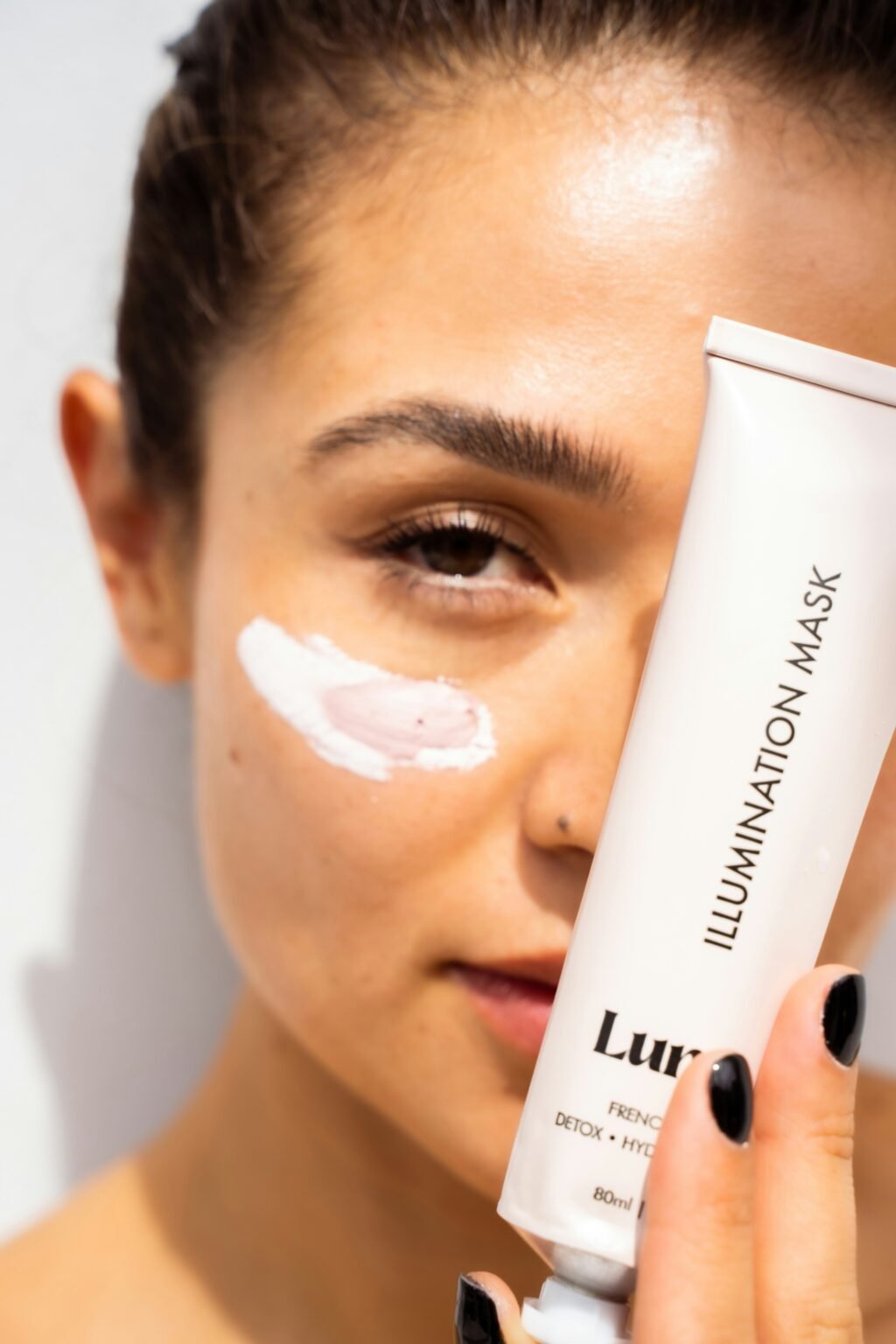
If you are wondering what causes dry skin on face, you are not alone. Your face feels tight after washing, the skin on your cheeks looks flaky in the mirror, and no amount of moisturiser seems to last more than an hour. It is worse in winter, worse after a hot shower, and it makes makeup sit badly and fine lines look deeper. Dry facial skin is one of the most common skin complaints, and it is usually fixable — but only if you stop doing the things that are drying it out.
So what causes dry skin on face? In most cases the answer is a damaged skin barrier: the thin layer of oil and skin cells that keeps moisture in has been stripped away by weather, hot water, harsh cleansers, or over-exfoliating. This guide explains the causes, a gentle routine that restores the barrier, and when dry skin is a sign of something a dermatologist should see.
What Dry Facial Skin Looks Like
Dry skin on the face shows up as tightness, especially after washing, flaking or peeling on the cheeks and around the nose and mouth, rough patches, dullness, and fine lines that look deeper than they are. It can itch, and in severe cases the skin cracks, stings when you apply products, or becomes red and inflamed.
The skin barrier is the key idea. Healthy skin has a barrier of skin cells held together by natural oils, like bricks held together by mortar. That barrier keeps water in and irritants out. When the mortar is stripped away — by hot water, strong cleansers, or cold dry air — water escapes from the skin faster than it can be replaced, and the skin dries out from the inside. Moisturiser helps, but only if the barrier is given a chance to repair itself, which means removing the cause as well as adding cream.
What Causes Dry Skin on Face: The Common Causes
Weather and Low Humidity and What Causes Dry Skin on Face
Cold winter air holds very little moisture, and indoor heating dries the air further. The combination pulls water out of the skin all day. This is why facial dryness is worst in winter and in dry climates, and why it often improves in humid summer weather. Wind makes it worse by stripping moisture from the surface of the skin.
Hot Water and Long Showers: What Causes Dry Skin on Face
Hot water dissolves the skin’s natural oils far faster than lukewarm water. A long hot shower, or washing the face with hot water, leaves the skin clean but stripped — and the tight feeling afterwards is the barrier telling you it has been damaged. Washing the face twice a day with hot water is enough to keep the skin dry all winter.
Harsh Cleansers and Over-Exfoliating: What Causes Dry Skin on Face
Cleansers with strong detergents, foaming washes that leave the skin “squeaky clean”, and scrubs used too often all damage the barrier. Exfoliating acids and retinoids are useful products, but used every day or combined with each other they can over-exfoliate, leaving the skin red, flaky, and stinging. The squeaky-clean feeling is not a sign of clean skin — it is a sign of stripped skin.
Ageing
As we age, the skin produces less oil and the barrier repairs itself more slowly, especially after the menopause. This is normal, but it means the routine that worked at 25 may not work at 55, and the face may need a richer moisturiser than it used to.
Skin Conditions and Medicines
Eczema (atopic dermatitis) causes dry, itchy, inflamed patches, often on the cheeks and around the eyes. Seborrhoeic dermatitis causes flaking around the nose and eyebrows. Flaking around the eyebrows or hairline can also be dandruff spreading beyond the scalp — see how to get rid of dandruff fast. Some medicines dry the skin too, including acne treatments, some cholesterol medicines, and water tablets. If dryness comes with redness, itching, or scaling that does not respond to a gentle routine, a skin condition is likely, and it needs more than a moisturiser. People whose skin is dry all over often find the same causes behind problems elsewhere — cracked heels are a common companion, because both come from a skin barrier that cannot hold moisture.
The Gentle Routine That Restores Moisture: What Causes Dry Skin on Face
The routine that works is simple, and it is built around one rule: be gentle, and moisturise while the skin is still damp. Here is a worked example for a typical day.
Morning (3 minutes). Wash with lukewarm water only, or a gentle fragrance-free cleanser. Pat dry — do not rub. Within two minutes, while the skin is still slightly damp, apply a moisturiser; a cream is better than a lotion for dry skin, because it contains more oil. Apply sunscreen after it has sunk in.
Evening (3 minutes). Remove makeup with a gentle cleansing oil or micellar water, then wash with lukewarm water and a mild cleanser. Pat dry, and apply moisturiser again within two minutes. Twice a week, you can add a thin layer of a plain occlusive — such as petroleum jelly — over the moisturiser on the driest areas, to seal the moisture in overnight. This technique, sometimes called slugging, is simple and effective for very dry skin.
After two weeks of this routine, most people find the tightness gone and the flaking much reduced. The skin barrier takes about two to four weeks to repair, so the improvement is gradual rather than instant — but it is real, and it lasts, because the cause has been removed.
What to Avoid
Stop washing your face with hot water — lukewarm is enough. Stop using foaming cleansers that leave the skin squeaky, and stop using scrubs, strong acids, and retinoids every day while the skin is dry; reintroduce them slowly, one at a time, once the barrier has recovered. Avoid products with fragrance, alcohol, or essential oils while the skin is irritated, because they sting and slow healing.
When to See a Dermatologist About What Causes Dry Skin on Face
See a dermatologist if the dryness does not improve after four weeks of a gentle routine, if the skin is red, itchy, and inflamed, if there are patches that weep or crust, or if the dryness is spreading. These can be signs of eczema, contact dermatitis, or a fungal infection. A dermatologist can prescribe a stronger moisturiser, a short course of a mild steroid cream for inflammation, or a patch test to find out whether a product you use is causing the problem.
For more information, see the NHS guide to dry skin.
Also see a doctor if dry skin comes with other symptoms — very dry skin all over the body, hair loss, constant tiredness, or feeling cold all the time — because an underactive thyroid or another medical condition can be the cause.
Frequently Asked Questions
How long does it take for dry facial skin to heal?
With a gentle routine — lukewarm water, mild cleanser, moisturiser within two minutes of washing — most people feel a difference within a week, and the barrier takes about two to four weeks to repair fully. If nothing has improved after four weeks, see a dermatologist.
Should I use a cream or a lotion for dry skin?
A cream is better than a lotion for dry facial skin, because creams contain more oil and seal moisture in more effectively. Lotions are lighter and evaporate faster, so they suit oily skin better. In winter, most people with dry skin need a cream.
Does drinking more water fix dry skin?
Drinking normally helps the body overall, but drinking extra water does not directly fix dry facial skin. The moisture in skin comes from the barrier keeping water in, not from how much you drink. A gentle routine and a good moisturiser matter far more than extra glasses of water.
Can I wear makeup on dry skin?
Yes, but apply moisturiser first and let it sink in for a few minutes, then use a hydrating foundation rather than a matte one. Avoid powder on the driest areas, because it makes flaking more visible, and remove makeup gently in the evening rather than scrubbing it off.
Conclusion
What causes dry skin on face is usually a damaged skin barrier — stripped by cold dry air, hot water, harsh cleansers, or over-exfoliating — and the fix is to be gentle and to moisturise while the skin is still damp. Lukewarm water, a mild cleanser, and a good cream twice a day, applied within two minutes of washing, restores the barrier in two to four weeks.
This article is general information only and is not medical advice. If you are worried about a symptom, speak to a doctor or dermatologist.




