
What Causes Gum Recession
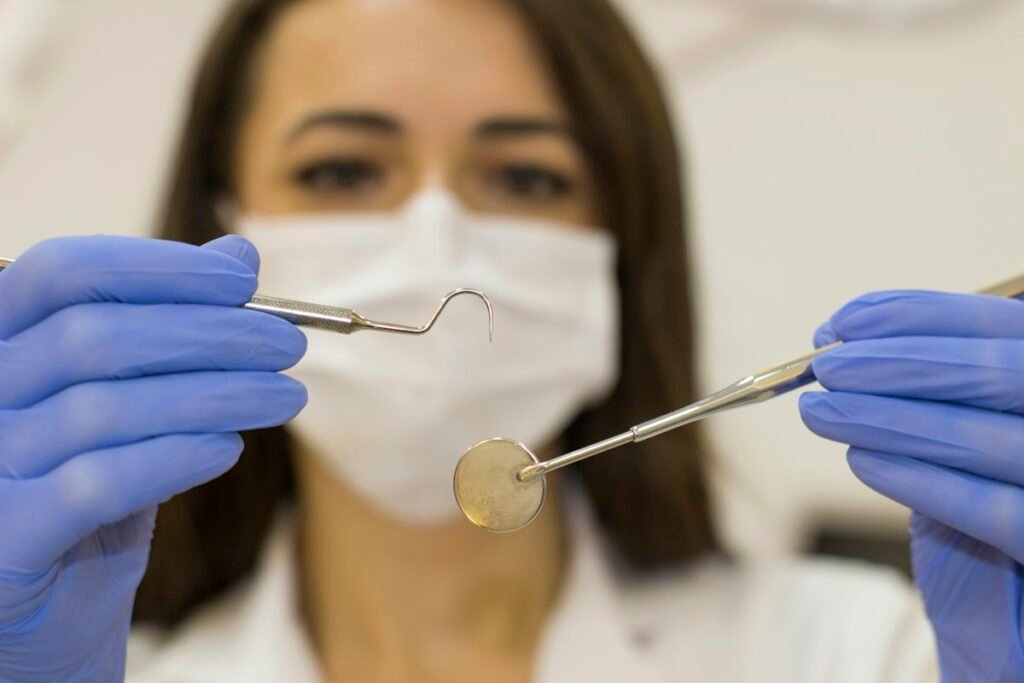
Your teeth may start to look longer than they used to. The change is slow, so you might not notice it for months. Many people first spot it in a photo or when cold water makes a tooth sting. If that sounds familiar, you may be wondering what causes gum recession and whether you can stop it. Gum recession means the gum tissue has pulled back from the tooth, exposing part of the root that the gum used to cover.
This guide explains the main causes, the warning signs, and the daily care that helps gums stay firm.
What Are Receding Gums?
Healthy gums form a snug collar around each tooth, sealing out germs and holding the tooth steady. The root below the gumline has no hard enamel coat, so it needs that cover. When the gum pulls back, cold, heat, and sweet foods reach the root more easily, which is why sensitivity is such a common first sign.
Recession is gradual and rarely hurts at first, which is why many people miss it. You may see a small notch where the tooth meets the gum, or one tooth that looks longer than its neighbours. The gum may also look red or bleed when you brush. None of these signs should be ignored, even if they seem minor.
What Causes Gum Recession
Gum disease is the leading cause. Plaque, a sticky film of germs, builds on teeth every day. If plaque stays along the gumline, it hardens into tartar. The germs in tartar irritate the gum and trigger swelling. Over time, that swelling breaks down the gum tissue and the bone that holds the tooth. The gum then pulls away from the tooth, leaving a pocket where more germs gather. This slow breakdown is the core of what causes gum recession in most adults.
Brushing too hard is the second common cause. Many people press firmly, thinking it cleans better, but hard scrubbing with a stiff brush wears the gum away, bit by bit. The damage is worst on teeth that sit slightly forward, such as the canines. A soft brush and gentle circles clean just as well.
Genes also play a part. Some people are born with thin gum tissue or a thin layer of bone over the tooth roots, so their gums recede more easily even with good brushing habits. If your parents had receding gums, tell your dentist.
Gum Disease and the Gumline: What Causes Gum Recession
Gum disease moves in stages. The first stage is gingivitis, where the gums look red and bleed easily, and better cleaning can still reverse it. If it goes on, it becomes periodontitis. Then the gum pulls away from the tooth and the bone starts to break down. That stage needs a dentist.
The best defence is daily cleaning. Brush twice a day with fluoride toothpaste and clean between the teeth once a day with floss or small interdental brushes. A dentist can remove tartar that home cleaning cannot shift, and regular check-ups catch gum disease while it is still mild.
If you want the fuller picture of how gum disease develops, our article on periodontal disease and periodontitis explains each stage in plain words. It pairs well with this guide and helps you see why early care matters so much.
Habits That Wear Gums Down
Grinding your teeth puts heavy force on the gums and bone. Many people grind at night without knowing it. They wake with a sore jaw or a dull headache. A dentist can spot the wear on your teeth and may suggest a night guard. That soft guard takes the pressure off your teeth and gums while you sleep.
Smoking and chewing tobacco slow healing in the mouth and feed the germs that drive gum disease. Smokers develop recession more often and heal more slowly after dental work. Quitting is one of the strongest steps you can take for your gums.
Lip and tongue piercings can rub the gum all day. The metal knocks the same spot with every word and bite, and over months that spot can wear thin and pull back. Ask your dentist to check that area at each visit.
Crooked teeth and a bad bite also add uneven force. Some teeth carry more load than they should, and over years that extra load can thin the gum around them. Only a dentist can judge whether orthodontic care is needed.
Other Causes to Know
Hormone shifts can make gums more sensitive. Pregnancy and menopause can leave gums swollen and more likely to bleed, so good cleaning matters even more during these times.
A hard knock to the mouth can injure the gum and bone at once. Sports injuries are a common cause. A mouthguard during contact sport protects both teeth and gums. It is a small habit that prevents a large problem.
Warning Signs: What Causes Gum Recession
Teeth that look longer than before are the clearest sign. Sensitivity to hot, cold, or sweet food is another, and you may feel a sharp twinge when you drink cold water. A notch at the gumline is also worth noting, and the root may look darker than the enamel above it.
Bleeding gums, bad breath that will not go away, and red or puffy gums all point to gum trouble. A tooth that feels slightly loose is a later sign and needs prompt care. Gum recession rarely hurts until it is advanced.
How a Dentist Checks Your Gums
A dentist measures the gap between each tooth and its gum with a small probe. A deep gap means the gum has pulled away. X-rays may also check the bone under the gum. Together, these checks show how far the problem has gone.
Treatment depends on the cause. If gum disease is driving it, a deep cleaning below the gumline is often the first step, removing the tartar that feeds the swelling. If hard brushing is the cause, a change in technique may be enough. A night guard can help if grinding is the problem.
When a large area of root is already exposed, the dentist may talk about a gum graft, a small procedure where tissue covers the exposed root again. It can ease sensitivity and protect the root from decay.
Good daily care also protects the rest of your mouth. For example, our guide on how to care for wisdom teeth covers cleaning around teeth that are hard to reach. The same gentle habits help the whole gumline.
Daily Habits That Protect Your Gums from Gum Recession
Use a soft-bristled brush at a slight angle to the gumline, with short, gentle circles. Let the bristles do the work. Replace the brush every three months, or sooner if the bristles splay out. A worn brush cleans poorly and can scratch the gum.
Floss daily, but be gentle. Slide the floss down the side of each tooth and curve it slightly under the gumline. Do not snap it down hard. If floss feels awkward, try interdental brushes. The best tool is the one you will use every day.
Eat a balanced diet with plenty of fresh fruit and vegetables, and drink water through the day to wash away food bits. Cut back on sugary snacks and drinks, which feed the germs that cause plaque.
Visit the dentist twice a year, or as often as they advise. A routine visit catches recession early, when care is simple, and gives you a chance to ask about anything you have noticed.
Cosmetic work can hide small flaws, but it never replaces healthy gums. If you are curious how dentists repair chipped or stained teeth, our article on what is teeth bonding explains one common option in plain words.
When to See a Dentist About Gum Recession
See a dentist soon if you notice teeth looking longer, a notch at the gumline, or sensitivity that lasts more than a few days. Book sooner if a tooth feels loose, the gum bleeds often, or you see pus near the gum.
If pain or swelling spreads, or you cannot open your mouth fully, seek care the same day. These signs can mean an infection that needs prompt treatment. Our article on what is an endodontist explains the role of a dentist who treats the roots and inner tooth.
A Final Word
Gum disease is the most common answer to what causes gum recession, but hard brushing, grinding, smoking, genes, and injuries all play a part. Most of these causes can be slowed or stopped. Gentle brushing, daily flossing, and regular dental visits keep gums firm. Understanding what causes gum recession helps you protect your smile for years to come, and a quick chat with your dentist is the best next step if you spot any warning sign.
For more background, see the NHS guide to gum disease.
Note: This article is general information only. It is not a substitute for professional medical or dental advice, diagnosis, or treatment. If you have concerns about your gums, please speak to a qualified dentist.





2 thoughts on “What Causes Gum Recession”