
How to Dispose of Lithium Batteries Safely
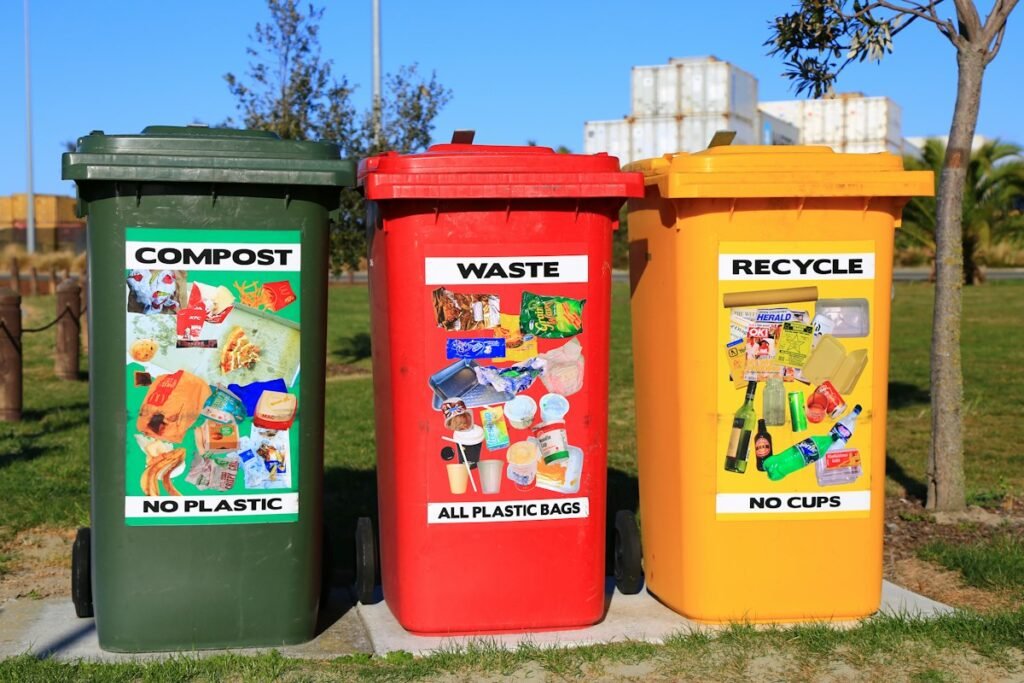
Lithium batteries are now found in many everyday items, from phones and laptops to torches, toys, power tools, and small household gadgets. They are useful because they hold a good amount of charge in a small size, but they need care at the end of their life. A damaged or old lithium battery can be a fire risk if it is thrown away in the wrong place or stored carelessly.

Why You Need to Know How to Dispose of Lithium Batteries
The risk is higher when a battery is damaged, swollen, or very old. A swollen battery, for example, is a sign that something has changed inside the battery, and it should be handled with extra care. Even a battery that looks fine can still be a hazard if it is mixed with other waste and damaged during collection or processing.
For a general background on the technology, you can read about the lithium battery on Wikipedia. It explains the basic types and uses, which can help you recognise the batteries in your home.
Types You May Have at Home
The most common type in the home is the rechargeable lithium-ion battery. You will find it in phones, tablets, laptops, cameras, wireless headphones, and many power tools. It is usually built into the device or supplied as a removable pack.
Another common type is the small lithium coin cell. These are the flat, round batteries used in watches, remote controls, key fobs, small toys, and some kitchen scales. They are small, but they still need proper disposal, and they can be a hazard if swallowed by a young child.
Some devices use a non-rechargeable lithium battery, often in a cylindrical shape. These are used in some cameras, torches, and smoke alarms. They look similar to ordinary batteries, so check the label for the word lithium before you decide how to dispose of them.
How to Dispose of Lithium Batteries: Preparing Them for Disposal
Before you take lithium batteries for disposal, check them for damage. Look for swelling, leaking, a strange smell, or heat. If a battery is hot, smoking, or damaged, do not put it in a bag with other batteries. Keep it away from flammable materials, and seek advice from your local waste service or a battery collection point about how to handle it safely.
For batteries that are not damaged, a simple step is to cover the terminals with tape. This helps prevent a short circuit if the battery comes into contact with metal or another battery. Use clear tape or electrical tape on the ends where the contacts are, and keep each battery separate if you can.
Store used batteries in a cool, dry place, away from direct sunlight and heat. A small, non-metal container with a lid is often a good choice for short-term storage at home. Keep the container out of reach of children and pets, and do not store batteries loose in a drawer with keys, coins, or other metal items.
Where to Take Them
Many areas have dedicated battery collection points. These can be found in supermarkets, electronics shops, hardware stores, and household waste recycling centres. Some councils also provide a separate battery collection service, such as a small bag or box that is collected with household waste on a set day.
Check with your local council or waste service to find the nearest collection point and to confirm what types of batteries it accepts. Some points accept only small household batteries, while larger batteries, such as those from power tools or electric bikes, may need to go to a recycling centre.
Retailers that sell batteries often accept used ones for recycling. If you are buying a replacement battery, ask whether the shop has a collection box. This can be a convenient way to dispose of an old battery at the same time.
What Never to Do
There are a few clear rules to follow. Never put lithium batteries in a general waste bin or a recycling bin for paper, plastic, or glass. They do not belong with ordinary household waste, and they can cause fires in collection vehicles and sorting plants.
Never put batteries in a fire, and never try to open a battery to see what is inside. The contents can be harmful, and opening a battery can cause a short circuit, a leak, or a fire. If a battery leaks, avoid touching the liquid, wash your hands, and seek advice if you feel unwell or if the liquid gets on your skin or in your eyes.
Do not store large numbers of used batteries at home for a long time. Collect them in a safe container and take them to a collection point regularly. If you have a damaged battery, deal with it promptly rather than leaving it in a drawer.
Related Guides: For more useful guides, read Simply Saline Nasal Mist: What It Is and How to Use It, Wildhorse Golf Club: A Guide for Visitors, St. Thomas Aquinas Catholic Church: How to Find and Visit a Parish of That Name and Star Sign for 14 May: What the Zodiac Says.








3 thoughts on “How to Dispose of Lithium Batteries Safely”