
What Causes Bad Breath in the Morning? Causes and Simple Fixes
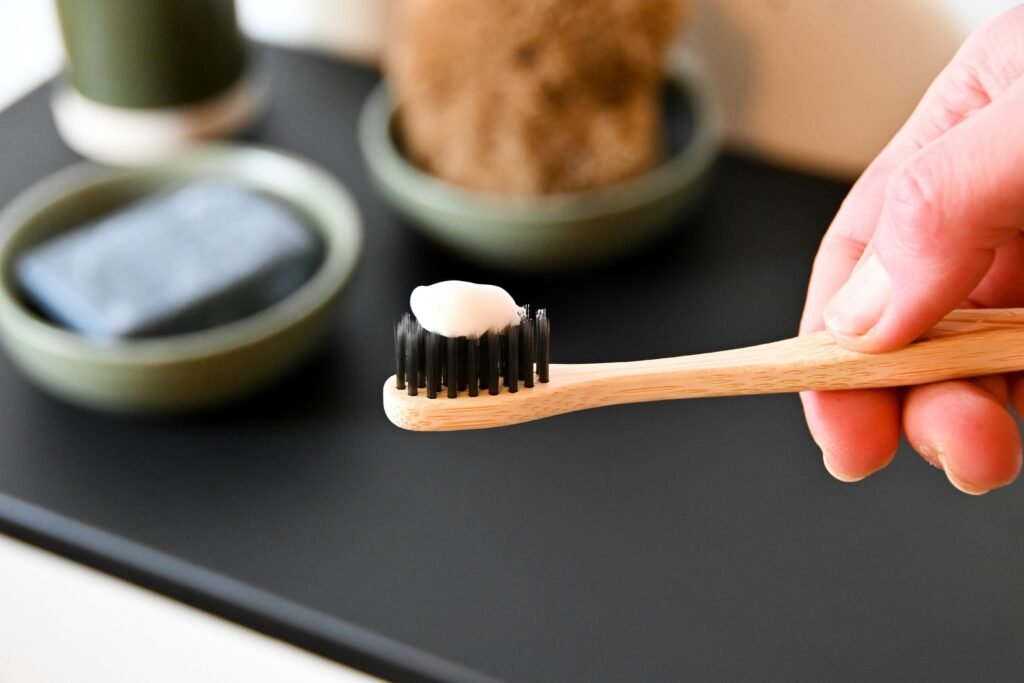
If you are wondering what causes bad breath in the morning, you are not alone. Everyone has morning breath. You wake up, say good morning, and catch a stale taste in your own mouth. For most people it disappears with breakfast and a toothbrush. For others it lingers all day, or it is strong enough that other people notice — and then it stops being a small embarrassment and starts being a problem worth fixing.
So what causes bad breath in the morning? In most cases the answer is simple: saliva flow drops overnight, the mouth dries out, and bacteria multiply on the tongue and between the teeth, producing smelly sulfur compounds. This guide explains the common causes, the morning routine that fixes most of it, and the signs that bad breath is coming from the gums or somewhere else entirely.
Why Morning Breath Happens
During the day, saliva constantly washes the mouth. It carries away food particles and dead cells, and it contains oxygen, which keeps the smell-producing bacteria in check. At night, saliva production drops to a fraction of daytime levels — sometimes by as much as 90 percent — because the body is at rest and not eating or talking.
In that dry, still, low-oxygen environment, the bacteria that live on the tongue and between the teeth thrive. They break down leftover food particles and dead cells, and in doing so they release volatile sulfur compounds — the same chemicals that give rotten eggs their smell. By morning, the mouth is full of them. This is why morning breath happens to almost everyone, including people with good oral hygiene, and why it is usually gone within an hour of waking, eating, and brushing.
The same dry mouth that causes morning breath also causes dry mouth at night, and the two problems often come together — fixing one usually helps the other.
What Causes Bad Breath in the Morning: The Common Causes
Mouth Breathing and Snoring: What Causes Bad Breath in the Morning
Breathing through the mouth all night dries the mouth far more than nose breathing does, and it gives the bacteria a better environment. Snoring, a blocked nose, and sleeping with the mouth open all make morning breath worse. People who snore often have the worst morning breath, and treating the snoring — side sleeping, clearing the nose, avoiding late alcohol — usually improves the breath too. Our guide on how to stop snoring naturally covers the same ground from the other side.
Poor Oral Hygiene and What Causes Bad Breath in the Morning
The biggest single cause of persistent bad breath is what is left in the mouth overnight: food stuck between teeth, plaque on the teeth, and a coated tongue. Plaque is a sticky film of bacteria, and if it is not removed daily it hardens into tartar, which smells and irritates the gums. The tongue is often the worst offender — its rough surface traps bacteria and dead cells, and a white or yellow coating on the tongue is a reliable sign that it needs cleaning.
Gum Disease and What Causes Bad Breath in the Morning
Gum disease is the most common medical cause of bad breath that does not go away with brushing. The gums become inflamed, small pockets form between the teeth and the gums, and bacteria collect in those pockets, out of reach of a toothbrush. The breath smells stale or metallic, the gums bleed when brushing, and the problem gets worse over time if it is not treated. Bleeding gums are not normal and are not caused by brushing too hard — they are a sign of gum inflammation, and they need a dentist.
Food, Drink, and Smoking
Garlic, onions, and spicy food leave their smell in the breath for hours, because their sulfur compounds are absorbed into the blood and breathed out through the lungs — brushing does not remove them. Alcohol dries the mouth and makes morning breath worse. Smoking dries the mouth and gives the breath its own stale smell, as well as increasing the risk of gum disease.
Medicines and Medical Conditions
Some medicines dry the mouth — including some blood pressure tablets, antihistamines, and antidepressants. A dry mouth from medicines causes bad breath in the same way as mouth breathing does. Less commonly, bad breath comes from further down: acid reflux brings stomach smells up into the mouth, tonsil stones trap bacteria in the back of the throat, and sinus infections drip mucus down the throat overnight.
The Morning Routine That Fixes Most of It: What Causes Bad Breath in the Morning
A good morning routine takes about five minutes and fixes most morning breath. Here is a worked example.
Before bed (2 minutes). Brush your teeth for two minutes with a fluoride toothpaste, using small circular movements along the gum line. Then clean between your teeth — floss or interdental brushes, whichever you find easier. This is the step most people skip, and it is the most important one for bad breath, because the food and bacteria between the teeth are what smell by morning.
On waking (3 minutes). Drink a glass of water first — it restarts saliva flow and washes away the overnight build-up. Brush your teeth again for two minutes, and clean your tongue: brush it gently from back to front ten times, or use a tongue scraper. The tongue cleaning alone removes a large share of the smell, and it is the step that makes the biggest difference for most people. Then eat breakfast — chewing stimulates saliva, which is the mouth’s own cleaning system.
Through the day. Drink water regularly, a glass with each meal, and chew sugar-free gum after meals if you cannot brush — chewing stimulates saliva for about twenty minutes. Avoid sugary drinks and constant snacking, because sugar feeds the bacteria that cause the smell. Do not rely on mouthwash alone: it masks the smell for an hour but does not remove the bacteria.
When to See a Dentist About What Causes Bad Breath in the Morning
See a dentist soon if bad breath does not improve after two weeks of good brushing, flossing, and tongue cleaning, or if your gums bleed when you brush, if your gums are red or swollen, if a tooth is loose or painful, or if you have a persistent bad taste in your mouth. A dentist can remove tartar, treat gum disease, and check for tonsil stones or other causes. A professional clean every six to twelve months prevents the build-up that causes most persistent bad breath.
For more information, see the NHS guide to bad breath.
See a doctor if bad breath comes with a fruity or ammonia-like smell, a persistent sore throat, post-nasal drip, heartburn, or a dry mouth that does not improve with water — these point to causes beyond the mouth, such as reflux, sinus problems, diabetes, or kidney issues. People with gum recession should mention bad breath at the same appointment, because the two are often linked and the treatment is the same: a thorough clean and better daily habits.
Frequently Asked Questions
Is morning breath normal?
Yes — almost everyone has it, because saliva drops overnight and bacteria multiply in a dry mouth. Normal morning breath disappears within an hour of waking, drinking water, and brushing. Breath that stays bad all day, or that other people notice, is not just morning breath and needs attention.
Does mouthwash fix bad breath?
It masks the smell for an hour or two, but it does not remove the bacteria that cause it. Brushing, flossing, and cleaning the tongue are what actually fix bad breath. Alcohol-based mouthwash can dry the mouth and make the problem worse, so choose an alcohol-free type if you use one.
Why does my breath smell even though I brush twice a day?
Usually because of what brushing misses: the tongue, which traps most of the smell-producing bacteria, and the gaps between the teeth, where food and plaque collect out of reach of a brush. Add tongue cleaning and flossing to your routine for a week and see whether the smell improves.
Can bad breath come from the stomach?
Sometimes. Acid reflux can bring stomach smells into the mouth, and it often comes with heartburn or a sour taste. But most bad breath comes from the mouth itself — the tongue, the gums, and the gaps between the teeth — so start with the dentist before looking further down.
Conclusion
What causes bad breath in the morning is usually a dry mouth overnight: saliva drops, bacteria multiply on the tongue and between the teeth, and sulfur compounds build up until you wake. A glass of water, two minutes of brushing, and cleaning your tongue fixes most of it within the hour.
This article is general information only and is not medical advice. If you are worried about a symptom, speak to a doctor or dentist.




