
Sesame Seeds Benefits: Nutrition and Everyday Uses
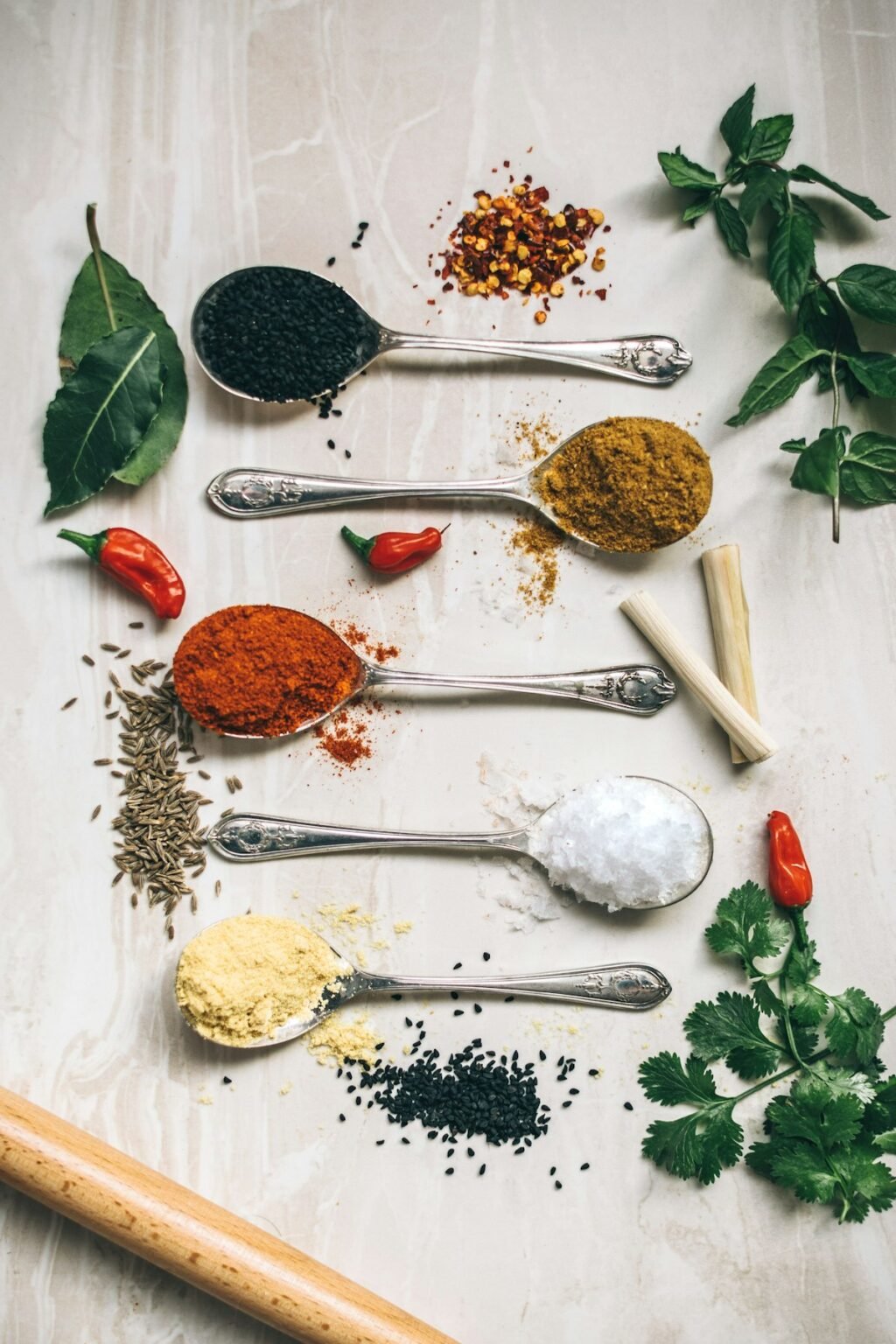
It is easy to overlook sesame seeds benefits, because the seeds themselves are so small. Yet these tiny seeds have been used in cooking for thousands of years, across many different food cultures, and they bring a useful mix of nutrients to the table. They add a gentle nutty flavour to food, a little crunch, and a range of plant compounds that make them more than just a garnish.
This guide looks at what sesame seeds contain, how they can fit into everyday meals, and what to keep in mind when eating them.
What Sesame Seeds Contain
Sesame seeds are small, but they are rich in nutrients for their size. They contain healthy fats, including unsaturated fats, which are the kind of fats generally linked with a balanced diet.
The seeds are a source of several minerals. They contain calcium, which is needed for strong bones and teeth, as well as magnesium, iron, and zinc. These minerals play roles in many everyday body processes, from carrying oxygen in the blood to supporting the immune system. Sesame seeds also contain small amounts of B vitamins, which help the body turn food into energy.
Sesame seeds also contain natural plant compounds called lignans, including sesamin and sesamolin. These are found in the seeds and in sesame oil, and they are part of what makes sesame interesting to nutrition researchers.
Sesame Seeds Benefits: How Sesame Seeds May Support Health
One of the main sesame seeds benefits is that they add nutrient density to meals without adding much bulk. A spoonful sprinkled over a salad, a stir-fry, or a bowl of noodles can add minerals, fibre, and healthy fats to a dish that might otherwise be low in them. This makes them a simple way to improve the nutritional value of everyday cooking.
The fibre in sesame seeds supports digestion. The healthy fats in the seeds also help the body absorb fat-soluble vitamins from other foods eaten in the same meal, such as vitamins from vegetables and salads.
The calcium in sesame seeds can be useful, especially for people who eat little dairy. It is worth noting that the calcium in whole seeds is not as easy for the body to absorb as the calcium in some other foods, partly because the seed coat can limit absorption. Hulled sesame seeds, and foods made from ground sesame such as tahini, may be easier for the body to use.
Sesame Seeds in Everyday Cooking
Sesame seeds are easy to use, and a little goes a long way. The most familiar use is as a topping: sprinkled over bread rolls, bagels, buns, and crackers, where they add flavour and texture. They are also common in Asian cooking, where they are scattered over stir-fries, rice dishes, and noodles, or mixed into dressings and sauces.
Tahini, a paste made from ground sesame seeds, is another everyday use. It is a key ingredient in hummus, and it works well as a spread, a salad dressing base, or a sauce for roasted vegetables. Sesame oil, pressed from the seeds, is used in cooking and as a finishing oil, where a small amount adds a strong nutty flavour.
You can also use sesame seeds in baking. They can be mixed into bread dough, sprinkled over biscuits, or added to granola and snack bars. Toasting the seeds lightly in a dry pan for a few minutes brings out their flavour, but watch them closely, because they can burn quickly.
Choosing and Storing Sesame Seeds
Sesame seeds are sold in several forms: white, black, and brown, as well as hulled and unhulled. White seeds are the most common, and they have a mild, delicate flavour. Black sesame seeds have a stronger, earthier taste and are often used in Asian desserts and dishes. Hulled seeds have had the outer coat removed, which gives them a lighter colour and a smoother texture.
When buying sesame seeds, look for seeds that smell fresh and nutty, not stale or rancid. Keep them in a sealed container in a cool, dry cupboard, and use them within a few months. For longer storage, the fridge can help keep them fresh. Sesame oil should also be stored away from heat and light, and the bottle should be closed tightly after use.
If you buy tahini, you may notice that the oil separates and rises to the top of the jar. This is normal, and stirring it back in restores the smooth texture.
Things to Keep in Mind
Sesame seeds are a healthy food for most people, but there are a few things to keep in mind. The most important is allergy. Sesame is a recognised allergen, and some people have a serious allergy to it. If you have never eaten sesame before, try a small amount first. If you have a known sesame allergy, avoid sesame seeds, tahini, sesame oil, and foods that may contain them, and check food labels carefully.
Sesame seeds are also energy-dense, because they contain a fair amount of fat and calories for their size. That is not a problem in the small amounts usually used in cooking, but it is worth remembering if you sprinkle them generously over everything.
Finally, remember that sesame seeds are a useful addition to a balanced diet, not a replacement for other healthy foods. If you have a health condition and want to know how sesame fits into your diet, a doctor or dietitian can give advice for your situation.
For general background on the plant and its seeds, you can read about Sesame on Wikipedia. It gives an overview of the sesame plant, its history, and how its seeds are used.
This article is general information only. For personal dietary advice, please consult a medical professional or dietitian.
Related Guides: For more useful guides, read What Does ALR Mean? Common Meanings Explained, NYC Salary Calculator: How to Estimate Your New York Pay, Eyesight 25/20: What 25/20 Vision Means and What Is Teeth Bonding? A Simple Guide.





1 thought on “Sesame Seeds Benefits: Nutrition and Everyday Uses”