
How to Care for Wisdom Teeth: Everyday Tips
Learning how to care for wisdom teeth is mostly about paying attention to the back of your mouth, where these last molars sit. Wisdom teeth are harder to reach than other teeth, and they can be tricky to clean properly. Food and plaque can collect around them, especially if they have only partly come through. With a few simple habits, you can keep them cleaner and spot problems early.
This guide covers everyday care for wisdom teeth, from brushing technique to what to watch for.

How to Care for Wisdom Teeth: Brushing the Back Teeth Properly
Brushing is the most important part of wisdom tooth care, and the back of the mouth deserves extra attention. Use a soft toothbrush with a small head if you can, because it is easier to reach the last molars with a smaller brush. Hold the brush at a slight angle to the gum line, and use gentle, short strokes rather than hard scrubbing.
Take time on the back teeth, on both the outer side facing the cheek and the inner side facing the tongue. Brush twice a day with fluoride toothpaste, and spend a little longer on the wisdom teeth than you might think you need. Rushing through the back of the mouth is one of the most common reasons wisdom teeth develop problems.
If your wisdom tooth has only partly come through, there may be a flap of gum over part of it. Clean gently around the edge of this flap, and take care not to force the brush underneath it.
Cleaning Between the Teeth
A toothbrush cannot reach the gaps between teeth, and the gap between a wisdom tooth and the tooth in front of it is no exception. Cleaning between the teeth once a day removes plaque and food from these hidden spaces. Dental floss or interdental brushes can both work, and the best choice is the one you find easiest to use at the back of the mouth.
For a wisdom tooth, it helps to be gentle and patient. Slide the floss carefully between the teeth rather than snapping it down onto the gum, and curve it slightly around the side of each tooth. If the gap is wide, an interdental brush may be easier. If the gap is tight, floss is usually the better option.
A mouthwash can be a useful addition, especially after eating, but it does not replace brushing and cleaning between the teeth. Rinsing with plain water after a meal can also help remove loose food from around a wisdom tooth.
Eating and Everyday Habits
What you eat, and how you eat it, affects your wisdom teeth. Very sticky foods, such as toffee or dried fruit, can cling to the back teeth and are hard to remove. Sugary snacks and drinks feed the bacteria that cause decay, so it helps to keep them to mealtimes rather than snacking on them through the day. After a sugary snack, rinsing with water or brushing later can reduce the time sugar stays on the teeth.
Chewing on the side with a sore wisdom tooth can make discomfort worse, so if one side feels tender, use the other side until it settles. Avoid using your teeth to open packets or crack hard objects, which can damage a tooth.
Smoking can slow gum healing and make gum problems around wisdom teeth worse, so avoiding it helps.
What to Watch For
Even with good cleaning, wisdom teeth can develop problems, so it helps to know the warning signs. The most common are soreness or swelling in the gum at the back of the mouth, pain when chewing, or a bad taste that seems to come from the back teeth. Bleeding when you brush the area is another sign worth noting.
A wisdom tooth that is coming through may cause mild tenderness for a short time, and this often settles on its own. But pain that lasts more than a few days, swelling that spreads to the cheek, difficulty opening your mouth, or repeated soreness in the same spot should be checked by a dentist. These signs can mean the gum is infected, the tooth is pressing on its neighbour, or decay has started in a place that is hard to clean.
Do not ignore a wisdom tooth that keeps trapping food, either. Food that stays stuck around a partly emerged tooth can lead to gum irritation and decay in the tooth next to it.
How to Care for Wisdom Teeth: Check-Ups and When to Ask for Help
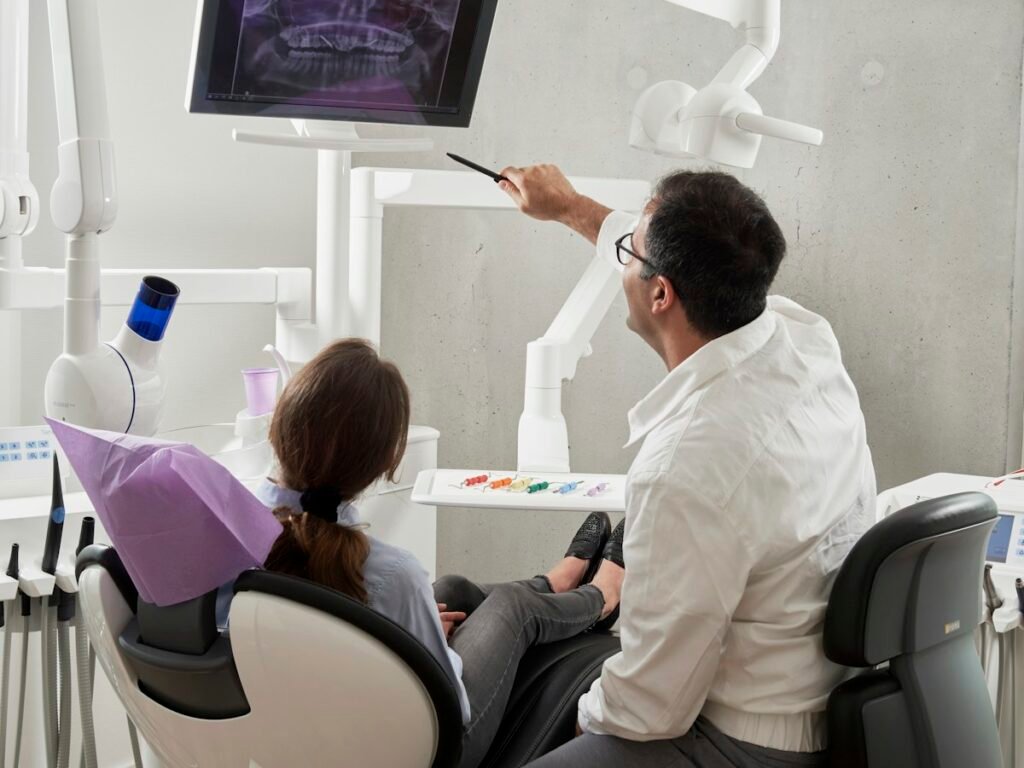
Regular dental check-ups are an important part of caring for wisdom teeth. A dentist can examine the gums at the back of the mouth, check whether the teeth are coming through straight, and take an X-ray if needed to see teeth that are still below the gum. How often you need to attend depends on your oral health, and your dentist can advise you.
Between visits, keep a simple routine: brush carefully, clean between the teeth, and pay attention to any changes at the back of your mouth. If you notice new pain, swelling, or a tooth that feels different, do not wait for your next routine appointment if the symptoms are bothering you.
If your dentist suggests that a wisdom tooth should be monitored rather than removed, that usually means the tooth is healthy and has enough room, and the plan is to keep an eye on it. If removal is suggested, the dentist will explain why, what the procedure involves, and what aftercare is needed.
For general background on keeping teeth and gums clean, you can read about Dental hygiene on Wikipedia. It gives an overview of daily oral care and why it matters.
This article is general information only. For advice about your own teeth, please consult a dental professional.
Related Guides: For more useful guides, read Sesame Seeds Benefits: Nutrition and Everyday Uses, What Does ALR Mean? Common Meanings Explained, NYC Salary Calculator: How to Estimate Your New York Pay and Eyesight 25/20: What 25/20 Vision Means.




